
Gambling around the world exploring cultural perspectives and beliefs
The Historical Context of Gambling
Gambling has existed for thousands of years and has deep roots in various cultures around the world. Ancient civilizations, such as the Chinese and Romans, integrated games of chance into their societies, often associating them with fortune and fate. In these early cultures, gambling was not merely a pastime but a way to communicate with the divine or determine outcomes in important decisions, such as warfare or agriculture. This historical context shows how gambling has always held significant cultural and spiritual importance. With platforms like https://luckymister-casino-uk.com/, modern players can experience this rich tradition through countless gaming options tailored to today’s tastes.

In addition to its spiritual implications, gambling has evolved as societies have progressed. For example, during the Renaissance, the establishment of more sophisticated gaming houses in Europe marked a shift toward organized gambling. This period led to the development of modern casino practices, with new games emerging that reflected the social dynamics of the time. The transition from informal gambling to regulated establishments indicates how societal views on gambling have changed, often reflecting broader cultural values.
Today, gambling encompasses a diverse range of activities, from traditional games to innovative online platforms. Different cultures continue to shape the nature of gambling, influencing everything from the types of games played to the regulations governing them. By understanding the historical context of gambling, one gains insight into how these cultural perspectives have shaped modern practices and beliefs around the world.
Global Perspectives on Gambling
Cultural attitudes toward gambling can vary significantly across different regions. In many Western countries, gambling is often seen as a form of entertainment and is integrated into social activities. Places like Las Vegas exemplify this view, where casinos are designed to create immersive experiences that attract tourists and locals alike. The ambiance of these casinos, filled with bright lights, sounds, and the thrill of chance, contributes to a perception of gambling as a celebratory activity rather than a vice.
Conversely, many Eastern cultures view gambling with suspicion or outright disapproval. In countries like China, gambling can carry a stigma due to the belief that it leads to addiction and social problems. Despite this, Chinese culture also embraces gambling during festive occasions, such as the Lunar New Year, when traditional games like Mahjong are played. This dichotomy highlights how cultural contexts shape the acceptance and practice of gambling, leading to a complex relationship between society and games of chance.
Moreover, many societies incorporate gambling into their rituals and traditions, further illustrating its cultural significance. For instance, in some Indigenous cultures, games of chance are integral to ceremonies, representing connections to ancestry and community. This blending of gambling with cultural practices reinforces the idea that beliefs surrounding gambling are not only individual choices but are also deeply embedded in cultural narratives and collective experiences.
Religious Beliefs and Gambling
Religion plays a pivotal role in shaping attitudes toward gambling across the globe. In many Abrahamic faiths, such as Christianity, Islam, and Judaism, gambling is often regarded as morally ambiguous or outright forbidden. The underlying belief is that games of chance promote greed and can lead to destructive behaviors. This perspective influences laws and social norms in various countries, reflecting the moral compass provided by these religions.
In contrast, some Eastern religions, such as Buddhism and Hinduism, present a more nuanced view. While they do not explicitly condone gambling, there is often less emphasis on moral judgment concerning games of chance. For instance, gambling can be seen as a test of karma or fate rather than an outright sin. This flexibility allows for a cultural interpretation of gambling that differs from Western perspectives, often leading to acceptance in certain contexts.
The interaction between religion and gambling also manifests in the legal frameworks of different countries. In nations where religious law prevails, such as in many Islamic countries, gambling is strictly prohibited, with severe penalties for violations. Meanwhile, in more secular societies, religious beliefs still inform public opinion and policy, highlighting the ongoing impact of spiritual beliefs on gambling practices. This complex relationship emphasizes the need to consider religious context when discussing gambling worldwide.
The Evolution of Gambling Practices
With the advent of technology, gambling practices have undergone significant transformation, creating new opportunities and challenges worldwide. The rise of online gaming platforms has democratized access to gambling, allowing individuals to participate from the comfort of their homes. This shift raises questions about addiction and responsible gaming, as easy access can sometimes lead to negative consequences. Regulatory bodies are increasingly tasked with addressing these challenges to protect players while fostering a vibrant gaming industry.
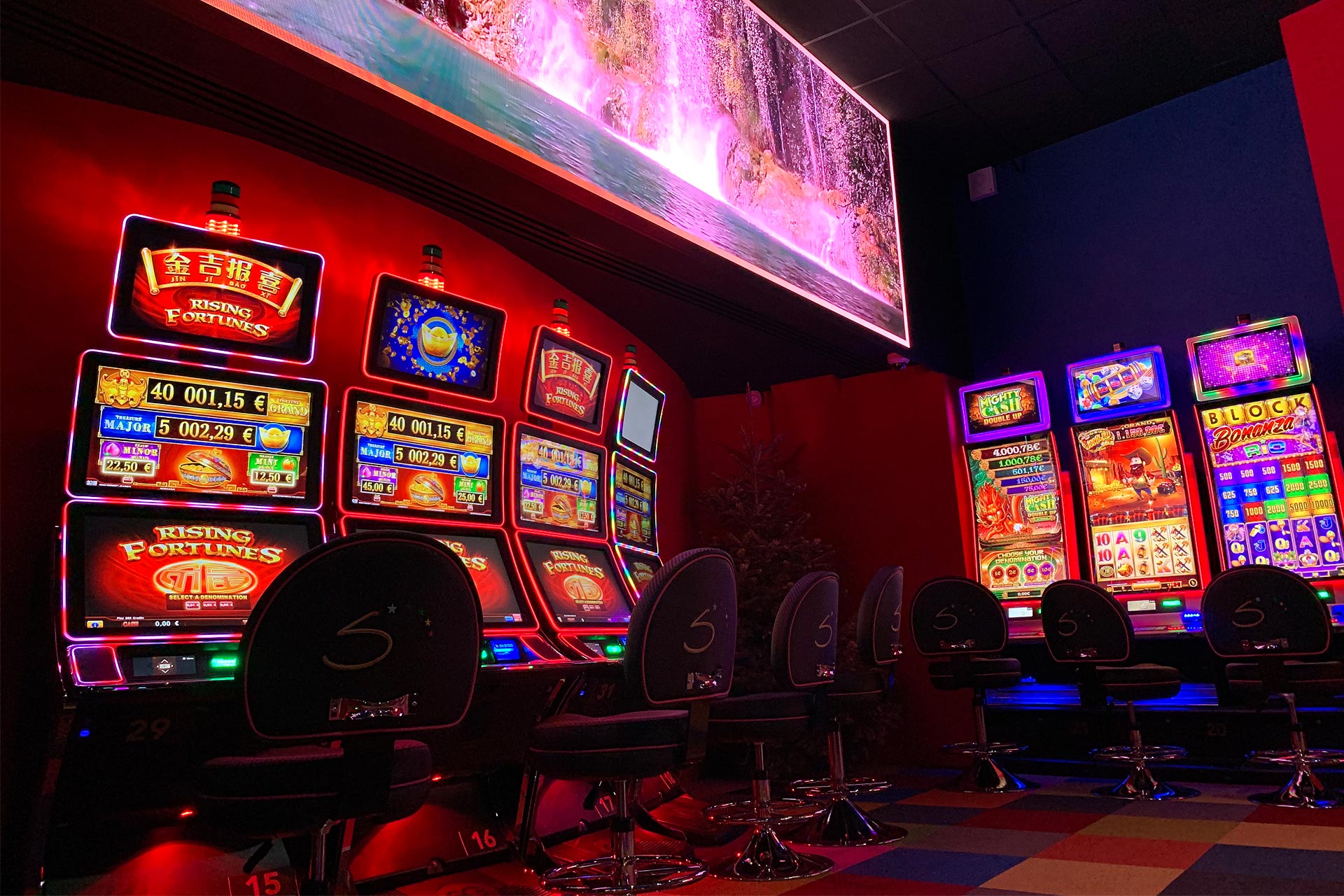
Furthermore, the design and ambiance of casinos have evolved to enhance user experience. Modern casinos are designed to create an engaging environment that attracts visitors, utilizing architecture, sound, and lighting to immerse players in a unique atmosphere. For example, resorts in Las Vegas combine luxury accommodations with high-end gaming experiences, merging lifestyle and gambling into a single cohesive offering. This evolution reflects broader societal trends towards leisure and luxury, influencing how gambling is perceived.
The introduction of innovative gaming options, such as virtual reality and mobile gaming apps, is also reshaping gambling practices. These advancements not only change how games are played but also attract a younger demographic that may not have engaged with traditional gambling. This evolution showcases how gambling continues to adapt to societal changes and technological advancements, maintaining its relevance in a fast-paced world.
Exploring Lucky Mister Casino
Lucky Mister Casino epitomizes the contemporary landscape of online gambling, combining an extensive selection of games with user-friendly design. Catering specifically to players in the UK, it offers over 4,000 games, including popular slots and live dealer options, creating a diverse experience for its users. The site is designed with user experience in mind, making it easy for players to navigate through the vast array of gaming choices.
One of the standout features of Lucky Mister Casino is its generous welcome package, which offers up to 725 free spins, enticing new players to explore its offerings. The flexibility in payment methods, including cryptocurrency options, underscores the platform’s commitment to modern convenience and player satisfaction. This approach reflects the evolving landscape of gambling, where technology plays a significant role in shaping experiences.
Lucky Mister Casino aims to foster a safe and transparent gaming environment, prioritizing player well-being through responsible gambling measures. By focusing on user experience and satisfaction, it positions itself as a leading destination in the competitive online gaming market. The combination of an engaging platform and commitment to player protection illustrates how modern casinos are evolving in response to cultural perspectives and beliefs surrounding gambling.